

What Is Masonry Sand and What Is It Used For?
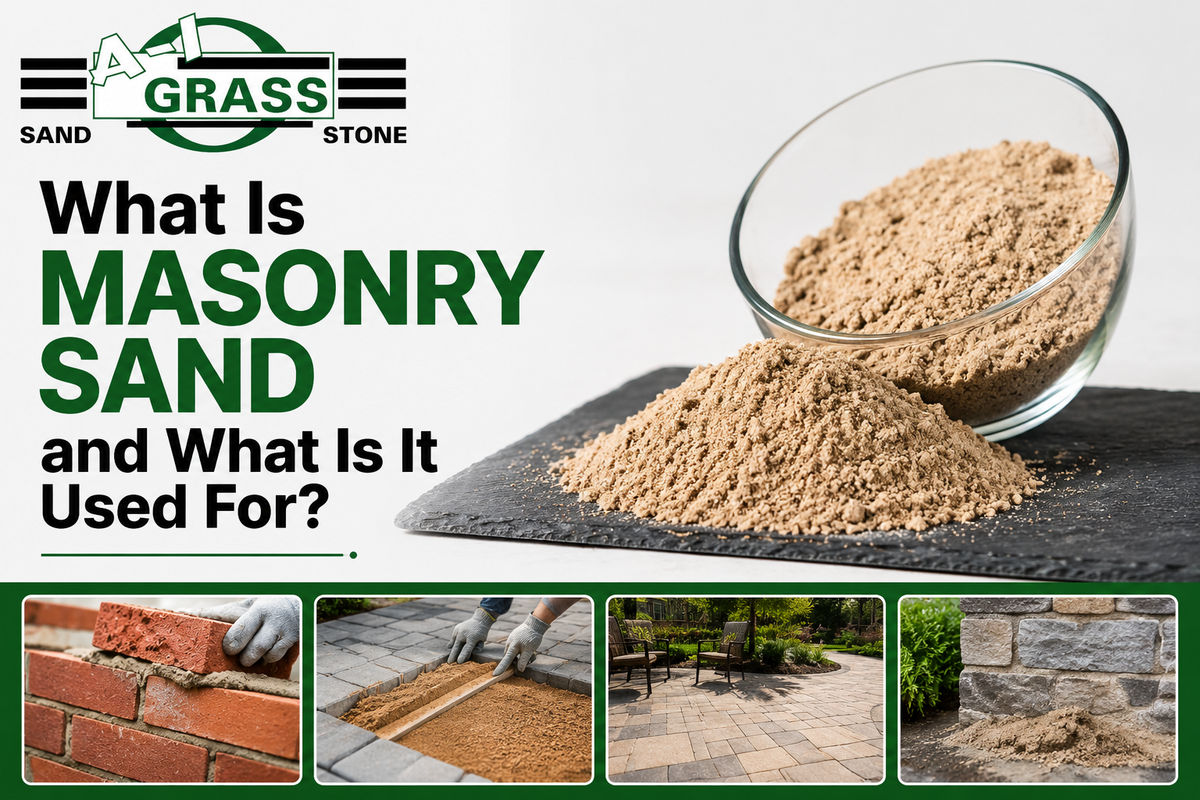
If you're planning a landscaping project, installing pavers, building a patio, or working on masonry construction, you've probably come across the term Masonry Sand. Yet many homeowners are unsure about what it actually is and whether it's the right material for their project.
Choosing the wrong type of sand can lead to drainage issues, uneven surfaces, and costly repairs. That's why understanding masonry sand before purchasing it is important.
In this guide, we'll explain what masonry sand is, its common uses, benefits, and how to choose the right option for your project. Whether you're a homeowner improving your outdoor space or a contractor looking for reliable materials, this article will help you make an informed decision.
What Is Masonry Sand?
Masonry Sand is a finely crushed and screened sand that has been washed to remove impurities such as clay, silt, rocks, and debris. Its smooth texture and uniform particle size make it one of the most versatile construction and landscaping materials available.
Unlike coarse construction sand, masonry sand has a softer feel and a cleaner appearance. It is commonly used in projects where a smooth finish and consistent performance are required.
Key Characteristics of Masonry Sand
-
Fine and uniform texture
-
Washed and cleaned for purity
-
Easy to spread and level
-
Excellent drainage properties
-
Light tan or beige appearance
-
Suitable for both residential and commercial projects
Because of its refined consistency, masonry sand is often preferred for applications that require precision and aesthetics.
What Is Masonry Sand Used For?
Masonry sand serves a wide range of purposes in construction and landscaping. Below are some of its most common uses.
1. Paver Base and Joint Filling
One of the most popular uses of masonry sand is in paver installations. It is spread beneath pavers to create a level foundation and is often swept into the joints between pavers to help lock them in place.
Benefits include:
-
Improved stability
-
Better drainage
-
Reduced shifting and movement
-
Enhanced appearance
For patios, walkways, and driveways, masonry sand helps create a professional-looking finish.
2. Masonry and Mortar Mixing
As the name suggests, masonry sand is frequently used in mortar mixes for:
-
Brick laying
-
Stonework
-
Block construction
-
Stucco applications
Its fine texture allows mortar to mix smoothly and adhere properly, helping create strong and durable structures.
3. Landscaping Projects
Many homeowners use masonry sand for decorative and functional landscaping applications. Examples include:
-
Garden pathways
-
Decorative ground cover
-
Outdoor seating areas
-
Around fire pits
-
Artificial turf installations
Its clean appearance complements many landscape designs while providing practical drainage benefits.
4. Pool and Patio Installations
Pool decks and patios require stable, level surfaces. Masonry sand helps create a smooth base that supports pavers, stones, and other hardscape materials. Because it compacts evenly, it reduces the risk of settling and uneven surfaces over time.
5. Play Areas and Sandboxes
Due to its soft texture, masonry sand is often selected for children's play areas and sandboxes. However, it's important to purchase high-quality washed masonry sand from a trusted supplier to ensure cleanliness and safety.
Benefits of Using Masonry Sand
Understanding the advantages of masonry sand can help you decide whether it's the right material for your project.
Superior Workability
The fine grains make masonry sand easy to spread, shape, and level.
Excellent Drainage
Proper drainage helps prevent water accumulation and protects landscaping and hardscaping projects from damage.
Clean Appearance
Washed masonry sand provides a polished and professional look that enhances outdoor spaces.
Versatility
Few construction materials offer as many applications as masonry sand. It can be used in masonry work, landscaping, paver projects, and more.
Cost-Effective Solution
Compared to many specialty materials, masonry sand delivers excellent value while maintaining durability and performance.
Masonry Sand vs. Concrete Sand
Many people confuse masonry sand with concrete sand, but they are not the same.
|
Masonry Sand |
Concrete Sand |
|---|---|
|
Fine texture |
Coarser texture |
|
Washed and screened |
Larger particles |
|
Smooth finish |
Better suited for concrete mixes |
|
Ideal for pavers and mortar |
Higher compaction strength |
If you're unsure whether masonry sand or concrete sand is the better choice for your project, it's important to understand the differences in texture, strength, drainage, and intended applications. For a more detailed comparison, read more!
How to Choose Quality Masonry Sand
Not all sand products are created equal. When purchasing masonry sand, look for the following:
Cleanliness
Choose washed sand that is free from clay, dirt, and organic material.
Consistent Grain Size
Uniform particles create better compaction and more predictable results.
Reliable Supplier
Working with an experienced supplier ensures you receive quality material suitable for your specific application.
Project Requirements
Consider whether you're using the sand for landscaping, pavers, mortar mixing, or playground applications, as requirements may vary.
Practical Tips for Working With Masonry Sand
To achieve the best results, keep these tips in mind:
-
Measure your project area before ordering.
-
Compact the base properly for paver installations.
-
Maintain consistent depth throughout the project.
-
Use edging materials to keep sand in place.
-
Purchase slightly more material than estimated to account for waste and adjustments.
Proper preparation can significantly improve the longevity and appearance of your project.
Frequently Asked Questions (FAQs)
What is masonry sand made of?
Masonry sand is made from crushed stone or natural sand deposits that are washed and screened to create a fine, clean, and consistent material.
Can masonry sand be used under pavers?
Yes. Masonry sand is commonly used as a bedding layer and joint filler for paver patios, walkways, and driveways.
Is masonry sand good for drainage?
Yes. Its particle structure allows water to pass through efficiently, helping reduce standing water issues.
Can I use masonry sand for landscaping?
Absolutely. Masonry sand is widely used in gardens, pathways, decorative areas, and artificial turf installations.
How is masonry sand different from play sand?
While both are fine-textured sands, play sand is specifically processed for children's recreational use, whereas masonry sand is primarily intended for construction and landscaping applications.
Conclusion
Masonry sand is one of the most versatile materials used in landscaping and construction today. Its fine texture, clean appearance, excellent drainage, and ease of use make it ideal for paver installations, mortar mixing, patios, pathways, and numerous outdoor projects.
Whether you're upgrading your backyard, installing a new patio, or working on a masonry project, choosing high-quality masonry sand can help ensure lasting results and a professional finish.
Looking for premium-quality Masonry Sand for your next project? Contact A1 Grass today for reliable products, expert guidance, and dependable service. Visit A1 Grass to find the right materials for your landscaping and construction needs.